How to Create Your Own Knitting Patterns
Creating your own knitting patterns is a rewarding endeavor that combines creativity and technical skill. This article will guide you through the process, ensuring you understand both the methodology and the principles behind crafting unique designs.
Understanding the Basics of Knitting Patterns
Knitting patterns typically consist of instructions that guide you in creating a specific item using knitted stitches. According to industry experts, a well-structured pattern includes stitch types, gauge, and assembly instructions. Understanding these components is crucial as they form the foundation of your design.
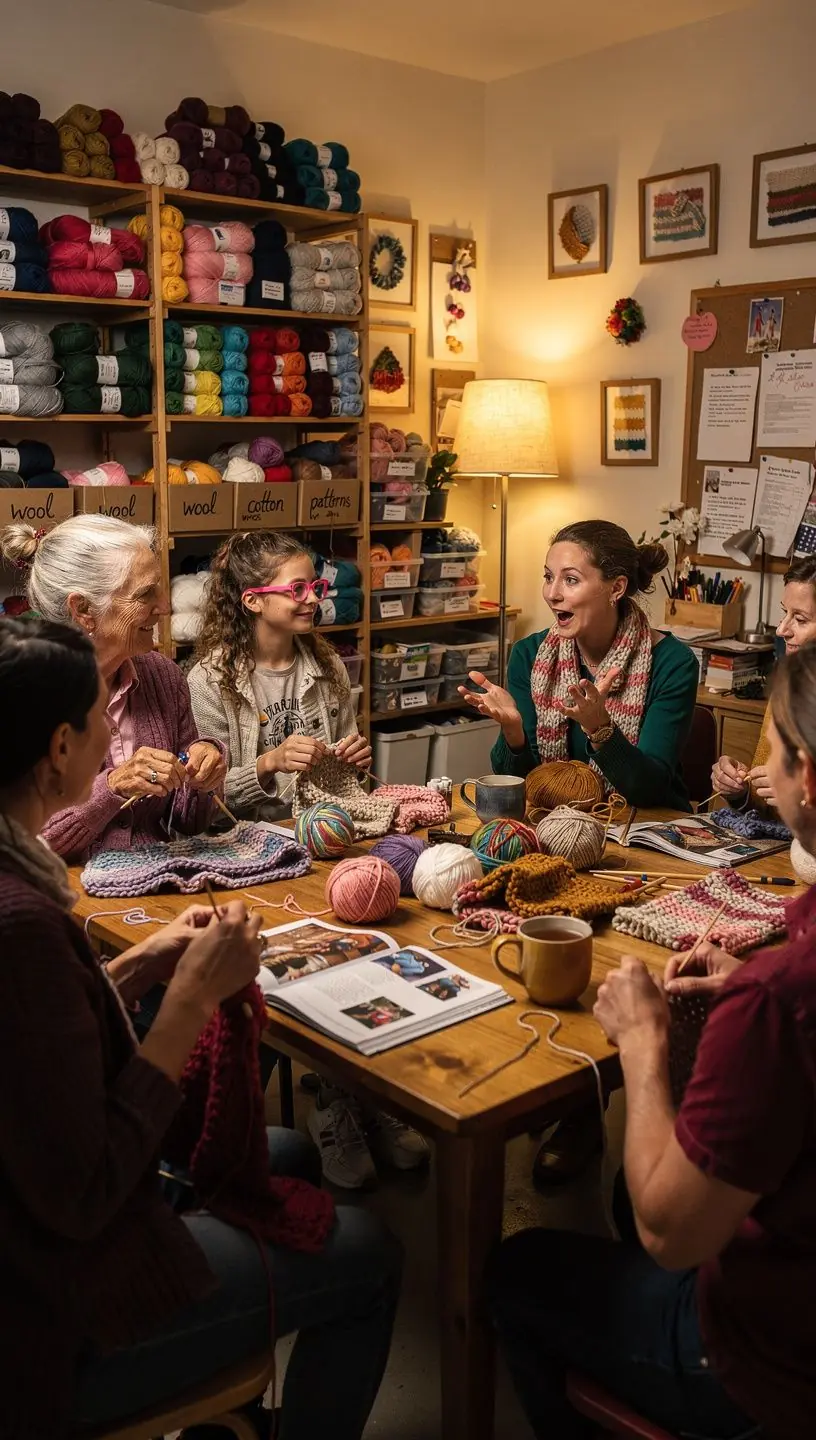
"A good knitting pattern not only instructs but also inspires creativity and exploration." - Knitting Industry Expert
Gathering Materials and Tools
Before you start creating a knitting pattern, it is essential to gather the necessary materials. These generally include:
- Yarn: Choose a yarn that suits your project; fiber content and weight play significant roles in the final look.
- Needles: The right needles will depend on the yarn weight and your tension.
- Measuring Tools: A tape measure and a gauge ruler are vital to ensure your pattern fits.
Step-by-Step Process to Create Your Pattern
Creating your own knitting pattern involves several steps:
- Choose a Project: Decide on the item you want to create, such as a scarf, sweater, or hat. Consider your skill level and the time you can dedicate.
- Swatch for Gauge: Create a small swatch to determine your knitting tension. This typically takes 1-2 hours and is essential for ensuring your finished item fits as intended.
- Write Down Your Instructions: Document each step, including row counts, stitch types, and any special techniques. This works best when you follow standard practices in pattern writing.
- Test the Pattern: Before finalizing it, knit a sample using your instructions. Many users report that this step helps identify any unclear instructions or errors.
Acknowledging Challenges
While creating your own patterns can be exciting, it is important to recognize the challenges involved. The process often requires a commitment of time—typically several weeks—to refine your design and ensure accuracy. Beginners might face a learning curve, particularly when it comes to understanding stitch patterns and adjustments.
Conclusion
In summary, creating your own knitting patterns can be a fulfilling and educational experience. By gathering the right materials, understanding the basic components, and following a structured process, you can develop unique designs that reflect your personal style. Remember, this journey may involve trial and error, so patience and practice are key to success.