Exploring the History of Knitting and Sewing
Knitting and sewing are crafts that have been cherished for centuries, serving both practical and artistic purposes. This article delves into their rich histories, uncovering how these arts have evolved and influenced cultures around the world.
The Origins of Knitting and Sewing
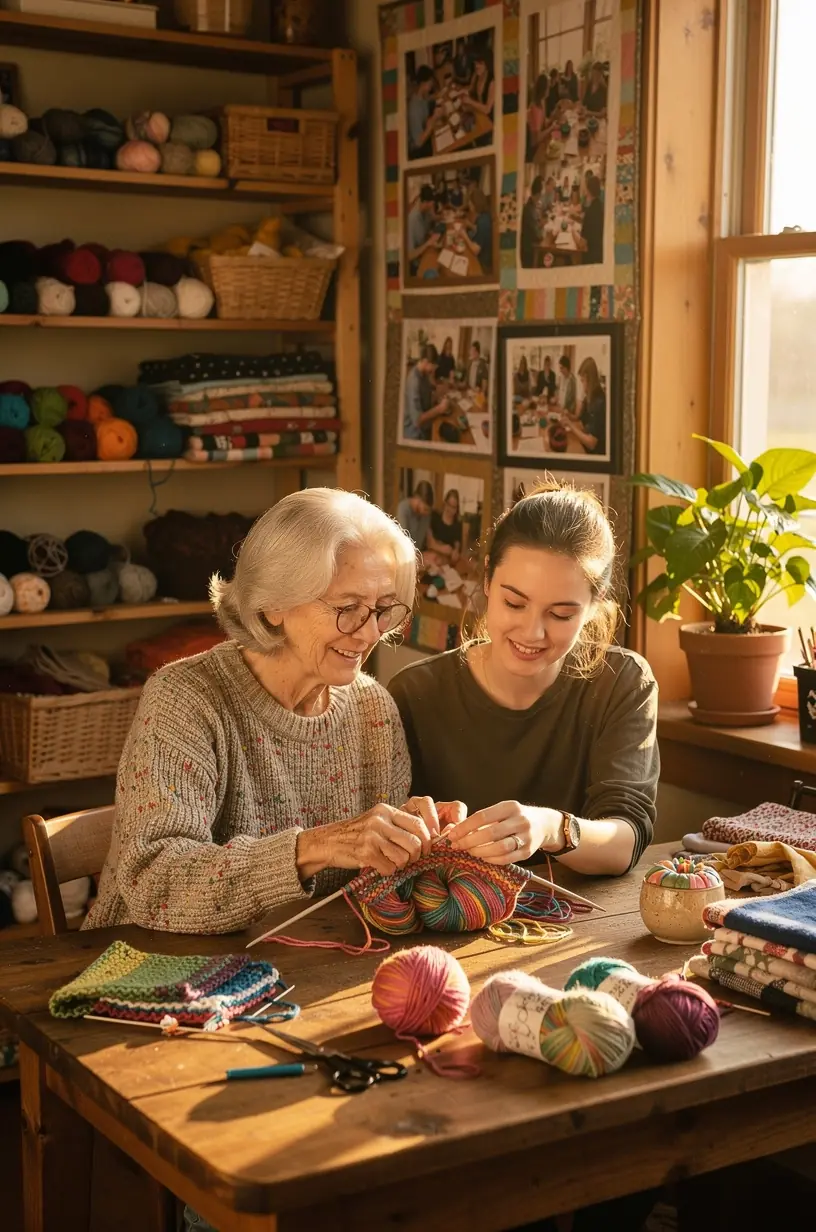
The origins of knitting can be traced back to the Middle Ages, with the earliest knitted items believed to have emerged in the 11th century in the Middle East, according to historical research. Initially used for practical purposes, knitting often involved creating items such as socks and caps. In contrast, sewing, which dates back even further, is thought to have begun around 25,000 years ago, with ancient humans using animal hides to create protective clothing.
Knitting Through the Ages
Throughout history, knitting has transformed from a practical skill to an art form. In the 16th century, it became fashionable in Europe, particularly among the wealthy. This shift is often attributed to the advent of the knitting machine in the 19th century, which revolutionized textile production. As studies show, this technological advancement allowed for mass production, making knitted garments more accessible to the general public.
"Knitting has not only been a means of creating clothing but also a medium for personal expression and community bonding." - Crafting Expert
The Role of Sewing in Society
Sewing has played a crucial role in societal development, especially during wartime. During World War II, for example, many women took up sewing to help with the war effort, often repurposing old clothes to create new garments. Experts in the textile industry suggest that this resourcefulness significantly influenced modern sewing practices. Furthermore, sewing has often been linked to self-sufficiency and creativity, allowing individuals to express their unique styles.
Modern Craft and Community
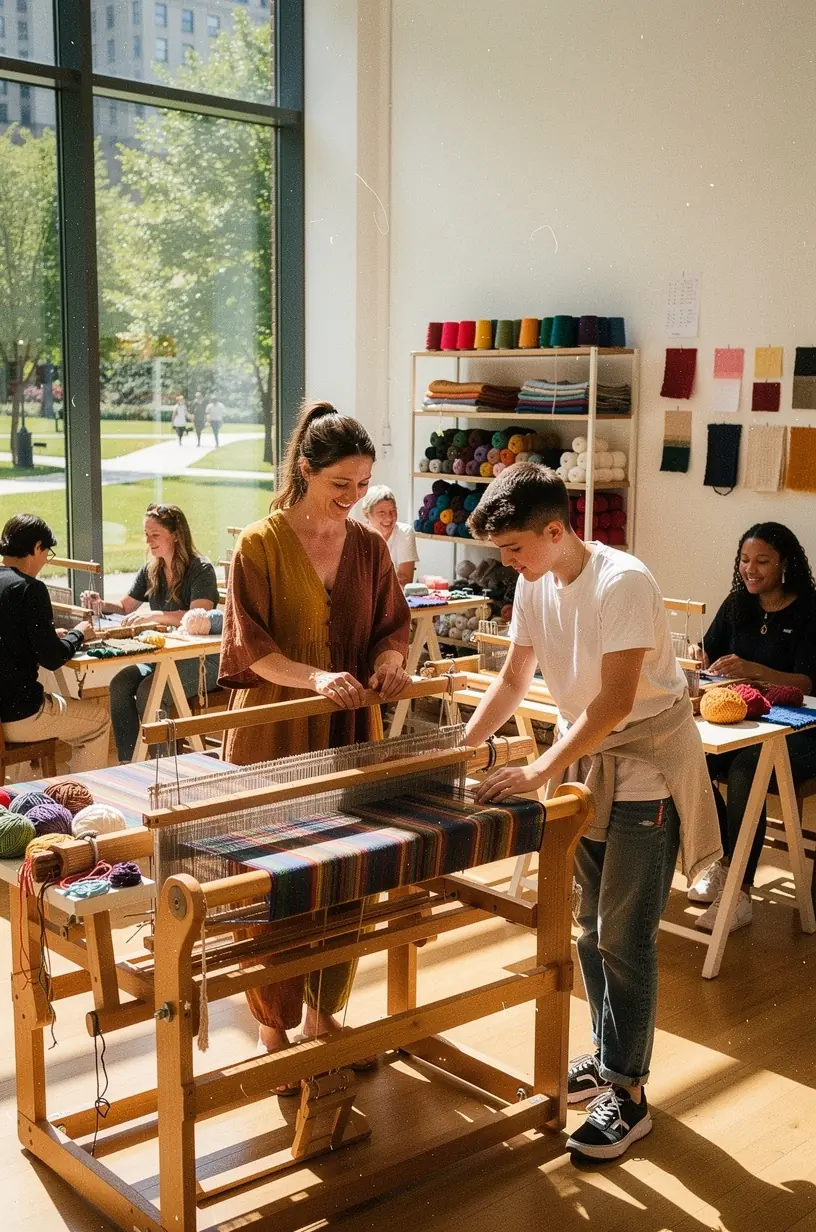
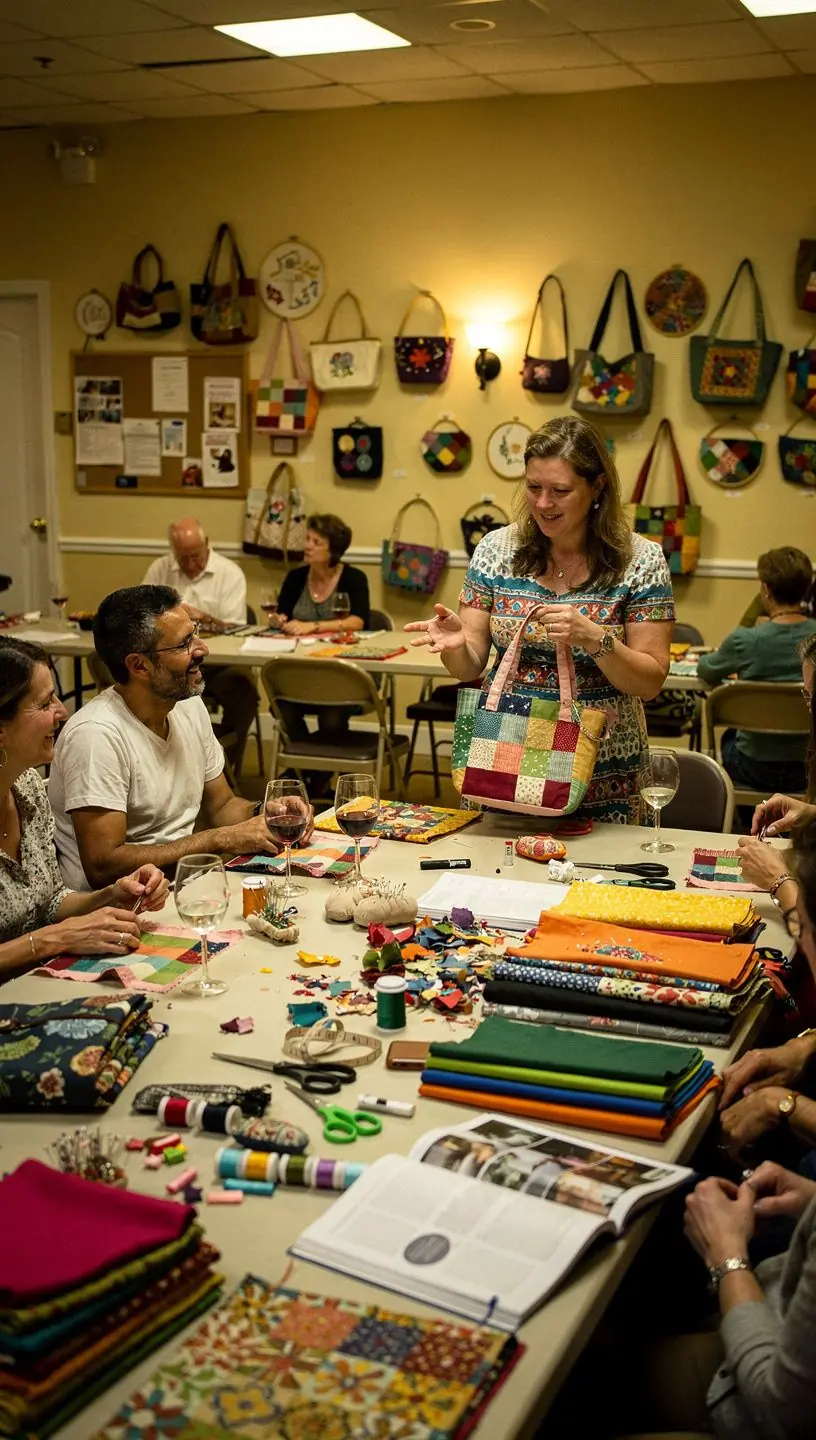
Today, knitting and sewing workshops have become increasingly popular, functioning as community hubs where individuals can gather to share techniques, tips, and creative ideas. Many craft enthusiasts report that participating in these workshops has enhanced their skills and fostered a sense of belonging. Classes typically range from beginner to advanced levels, allowing participants to choose based on their experience.
- Skill Development: Workshops often focus on practical skills, which can typically take a few weeks to develop, depending on the complexity of the projects.
- Community Engagement: Engaging with fellow crafters can enhance motivation and provide support.
- Resource Availability: Many classes offer materials for use during sessions, ensuring participants have the tools they need.
Conclusion
The history of knitting and sewing reflects not just the evolution of crafts but also the cultural shifts within society. Understanding this heritage enhances our appreciation for these skills today. As you explore these arts, consider joining a local workshop to connect with others who share your interests and to deepen your knowledge. Engaging in these crafts can provide a fulfilling outlet for creativity while embracing their historical significance.
Learn More